Website: https://lingvo.info
Facebook: https://www.facebook.com/lingvo.info
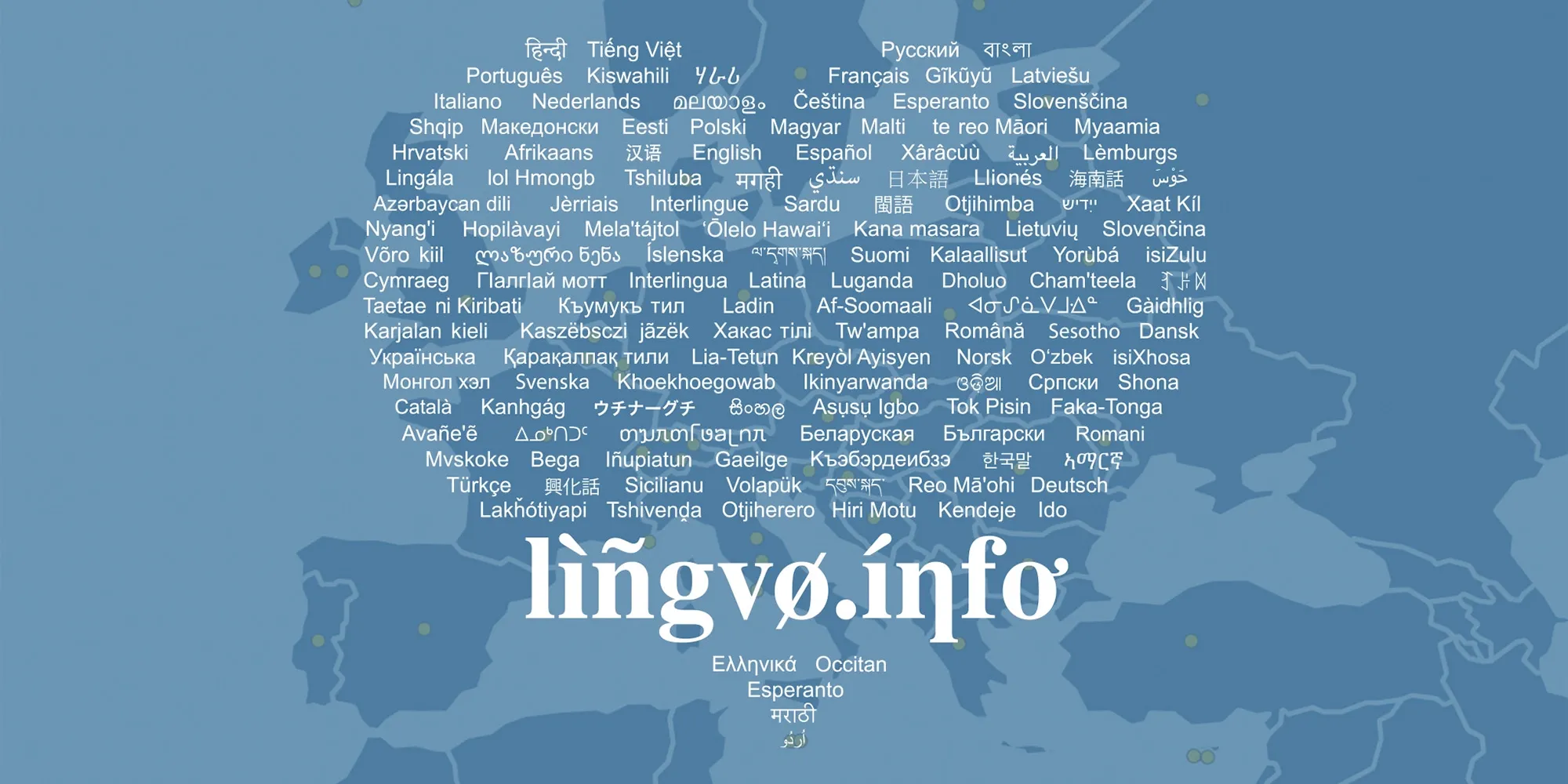
The idea behind lingvo.info was to raise language awareness and promote Europe’s linguistic diversity through an extensive multilingual website. It offered reliable, engaging information about languages and helped people discover language learning opportunities.
The website was designed for a broad public, with a clear focus on younger audiences reached via social networks, monolingual internet users, often older, who mainly access content in their mother tongue, and students and others who are curious about languages. By providing substantial content in 21 languages, including less widely used languages, the project made language information easier to access for people who do not read a widely spoken European language.
From Lingva Prismo to lingvo.info
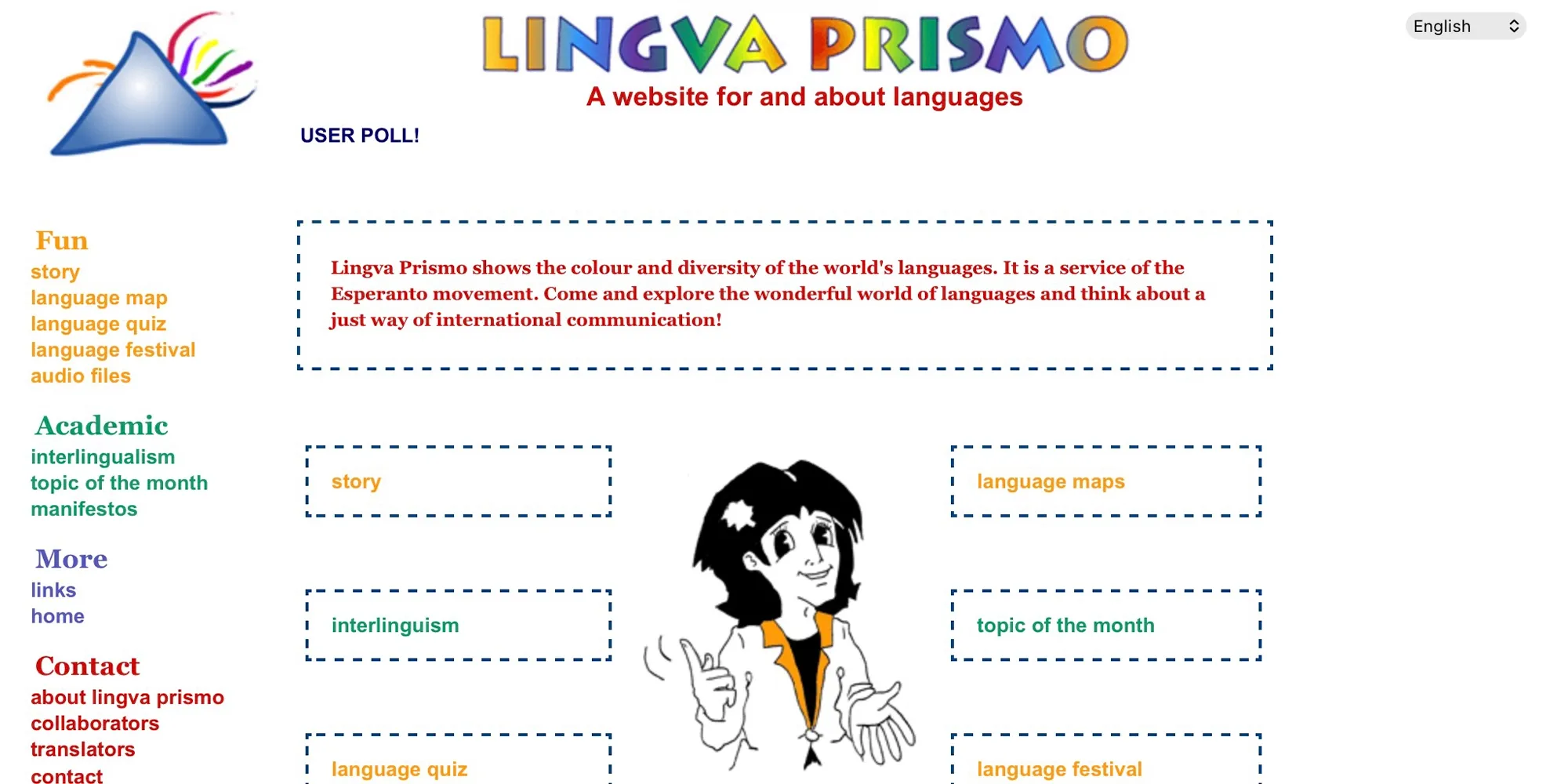
Lingvo.info grew out of an earlier pilot website, Lingva Prismo, launched in 2003 on the lingvo.info domain. The pilot attracted strong public interest, reaching 4 million unique visits in less than eight years. The many requests from users also helped shape the concept for the new portal.
Results and outputs
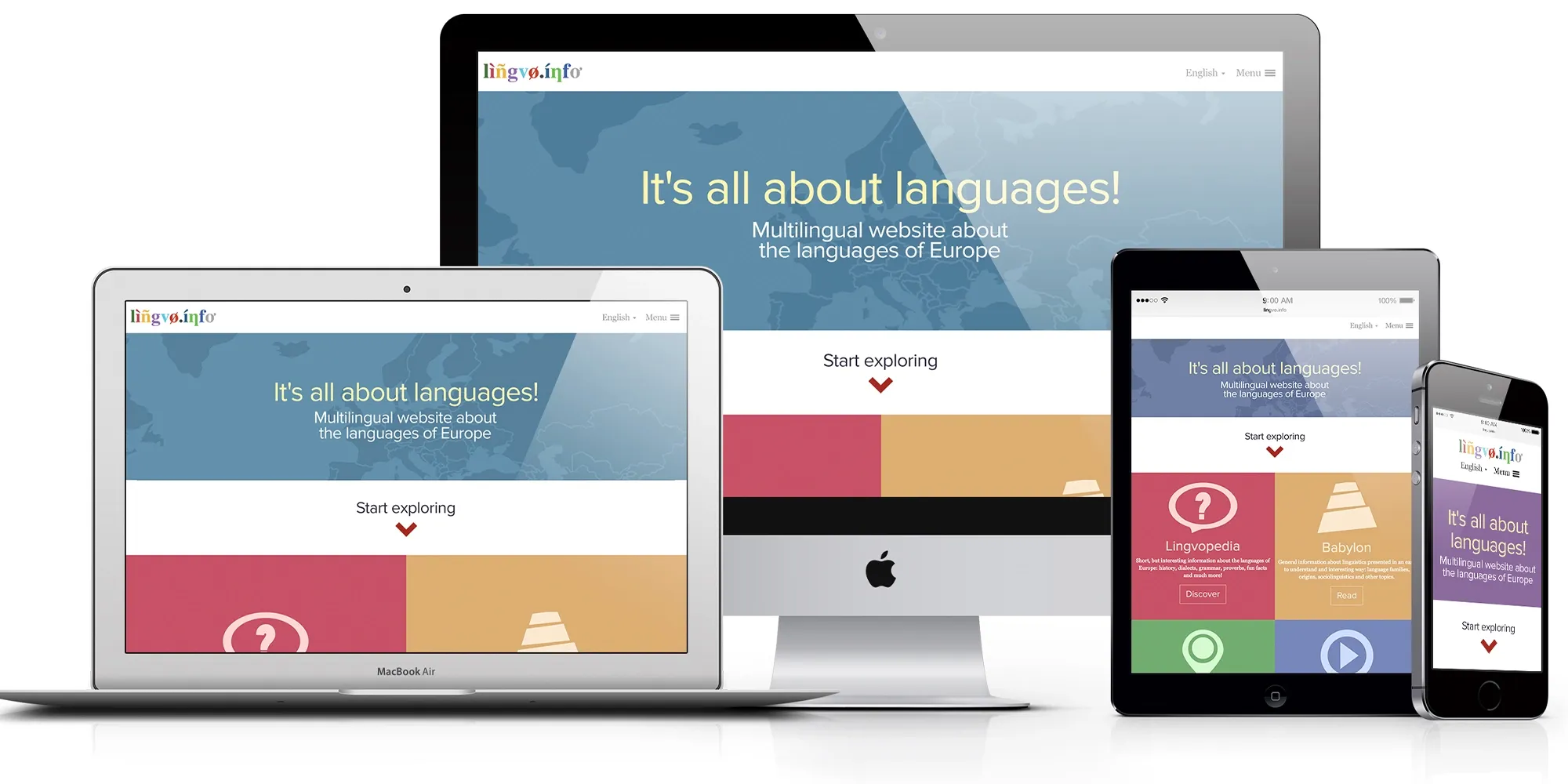
The central output was the lingvo.info platform itself, bringing together multilingual language descriptions and articles, a curated link directory for courses and resources (Lingvopolis), and the GeoLingvo online game.
By the end of the project, the partners had produced more than 3.600 standard pages of translated texts in 21 languages. This included descriptions of 28 European languages and 15 articles on key linguistic topics, alongside a growing collection of more than 280 links.
GeoLingvo was available in 19 languages. The platform was also supported by media created for the project, including more than 350 illustrations and over 21.000 audio recording files with example words and sentences.
To help teachers use the portal in class, the consortium developed ready-to-use teaching units for different age groups and classroom setups.
Our role
Studio GAUS developed the project idea and overall concept and collaborated on the preparation of the funding application. We were responsible for the complete design and development of the lingvo.info platform, including its structure, visual design, and underlying system.
As part of this work, we coordinated the content development process, worked directly on content creation, illustrations, and editorial structures, and carried out the multilingual preparation and translation of materials across several languages. In addition, we supported coordination activities within the partnership to ensure that the platform and its contents were integrated into a coherent, accessible, and sustainable multilingual environment.
Project partners
- Eŭropa Esperanto-Unio (Belgium)
- Studio GAUS (Germany)
- Edukácia@Internet (Slovakia)
- Uniwersytet im. Adama Mickiewicza, Poznań (Poland)
- Syddansk Universitet, Institute of Language and Communication (Denmark)
- Ľudovít Štúr Institute of Linguistics, Slovak Academy of Sciences (Slovakia)
- Društvo za evropsko zavest (Slovenia)
- Rusų kultūros centras (Lithuania)
- Visetas (Lithuania)
Coordination blended regular online communication, by email and Skype, with transnational meetings hosted across the partnership. Partners met in Slovakia, Berlin, Poznań, Ljubljana, Kaunas, Zagreb and Odense.
To keep multilingual production on track, the consortium also used shared online working environments, including a project wiki and a structured translation system. This set-up supported parallel drafting, review and localisation across languages.
Visibility and impact
Dissemination activities included online and offline promotion such as press relations, social media activity, web banners, and advertising via Google and Facebook. Printed materials were produced, including posters, flyers, and booklets with proverbs and idioms, and the project was presented at events and fairs.
In the first months after launch, lingvo.info recorded more than 69,000 user sessions between September 2014 and January 2015, averaging over 10,600 visits per month from 189 countries. Social media accounts reported more than 7,500 Facebook followers and 224 Twitter followers in January 2015, and the project video reached more than 12,000 views within 2.5 months. More than 10,000 mentions of lingvo.info were recorded online and in print media.
The consortium also tracked how the portal improved access to language information in less widely used languages. lingvo.info often appeared on the first page of Google results for relatively general searches in languages such as Croatian, Slovenian, and Lithuanian, especially where comparable content was scarce.
After the funded period ended, the project’s results were taken over for long-term operation. The portal has been kept online, current, and reliable, with ongoing maintenance ensuring its continued availability.