Website: https://eduskills.plus/grfs
Starting school is a major transition, and for many migrant families, language is part of that challenge. Get ready for school (GRFS) was created in response to a practical gap. Parents often want to support their preschool child’s language development at home, but may lack language proficiency, confidence or accessible tools, particularly in the language of instruction.
GRFS set out to empower parents to raise children multilingually, helping them prepare for school while also preserving their mother tongues. The project addressed this by developing a connected set of resources: a learning app for children, guidance materials for parents, and an online platform that brings all materials and downloads together in one place.
Rather than leaving families to search across multiple channels, the project outputs were integrated into an established platform used by parents and educational professionals. The resources were made available in several language versions, including languages commonly spoken by migrant communities in the partner countries.
Results and outputs
The project’s central public access point is the “Dandelin goes to school” platform on EduSkills+. It brings together the Parent’s Guide, the Dandelin School app, additional offline activities for families, further links and literature tips in the app languages, as well as project videos.
The platform is available in nine languages, German, English, Croatian, Lithuanian, Polish, Russian, Slovene, Turkish and Ukrainian, and presents the materials in a clear and user-friendly structure.
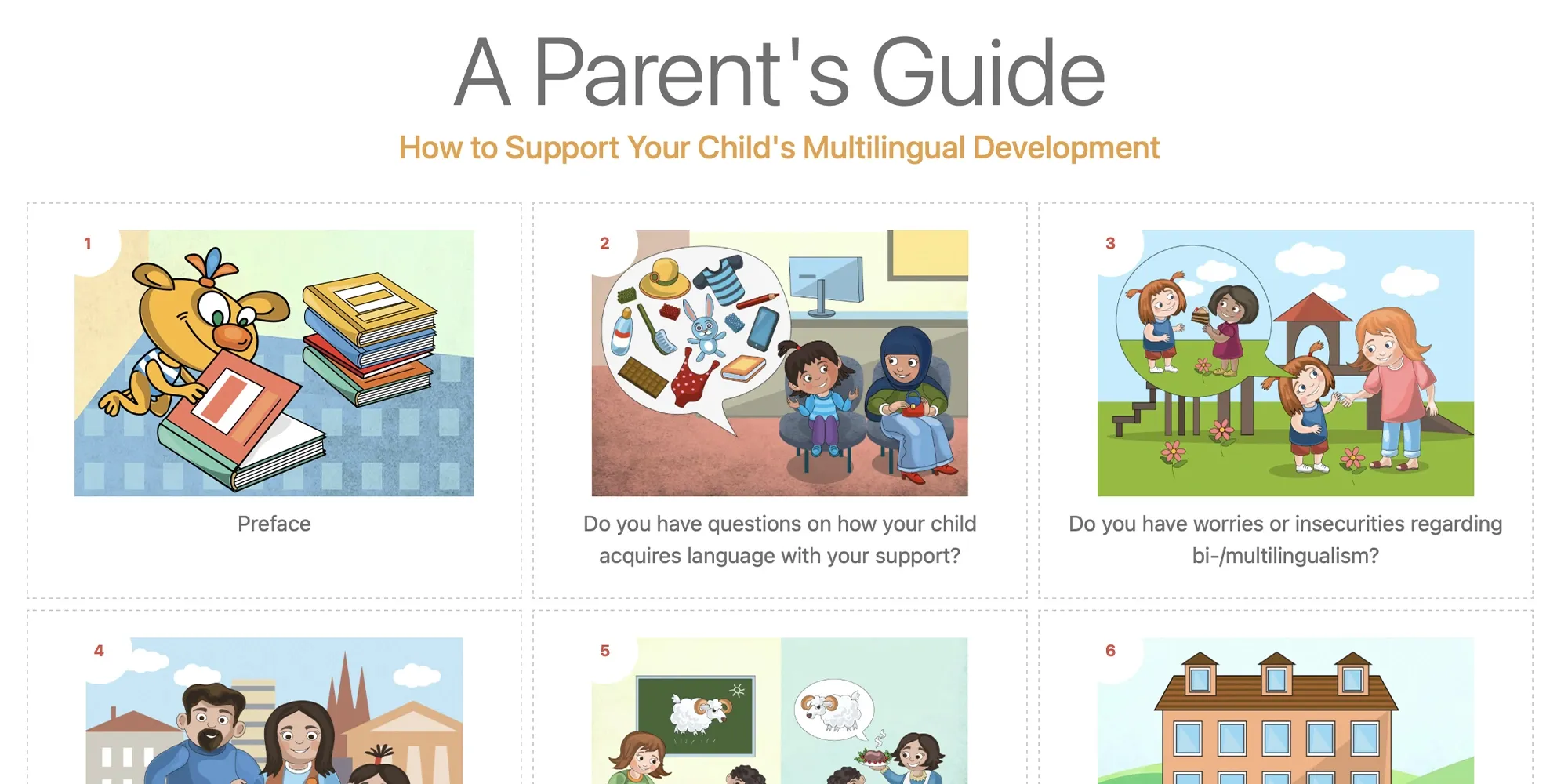
A key output for parents is the handbook How to Support Your Child’s Multilingual Development: A Parent’s Guide. The 50-page guide was originally developed in English and structured into nine chapters, and then made available in the same language versions as the platform.
To reach parents who are less likely to search online or read a longer publication, the project also created a short leaflet in plain language, which was printed and distributed. Testing in the final project phase involved 57 parents and 67 educators. Feedback was very positive, with 83 percent of test readers stating that they would recommend the guidelines to other parents of multilingual children.
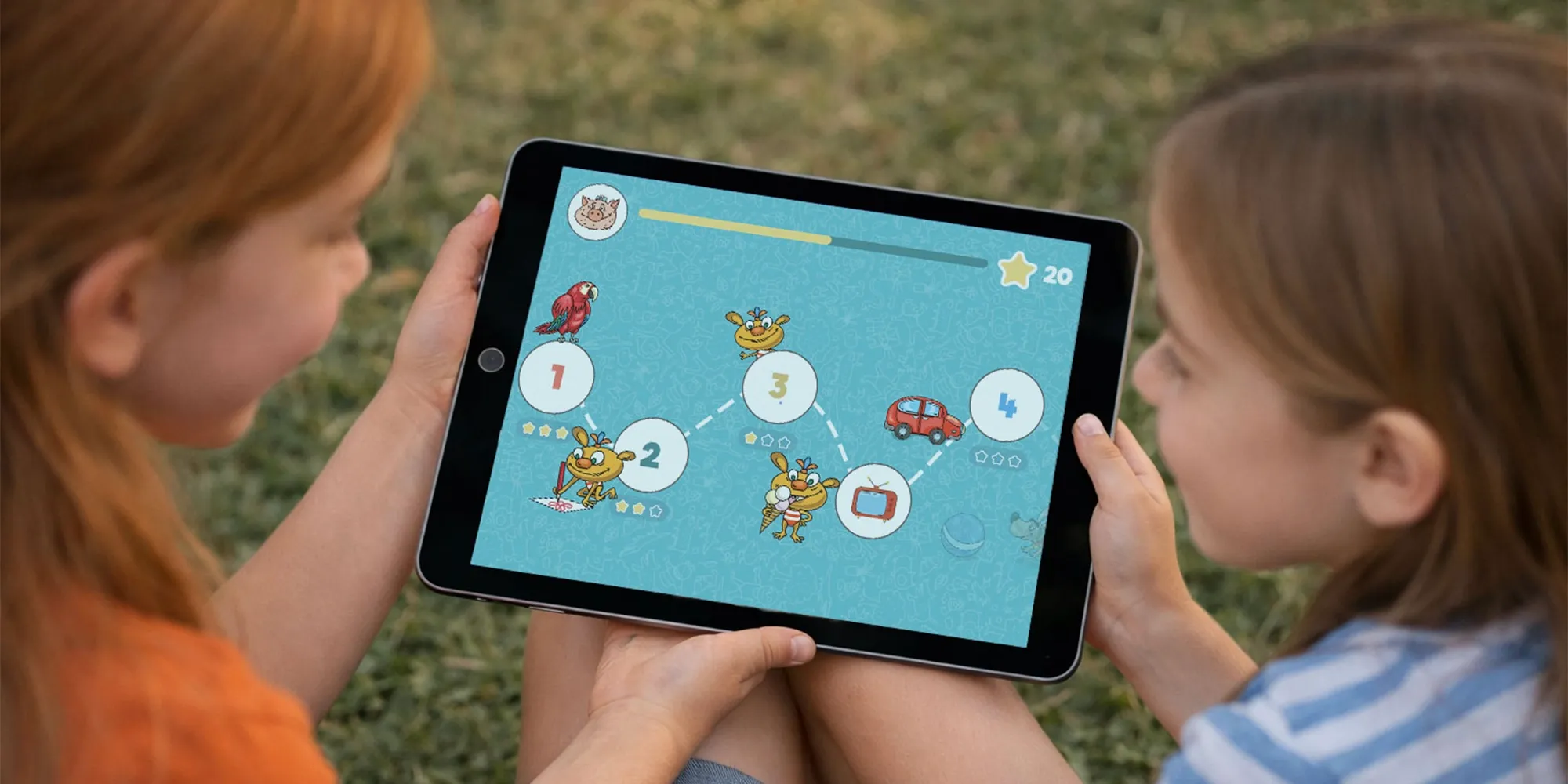
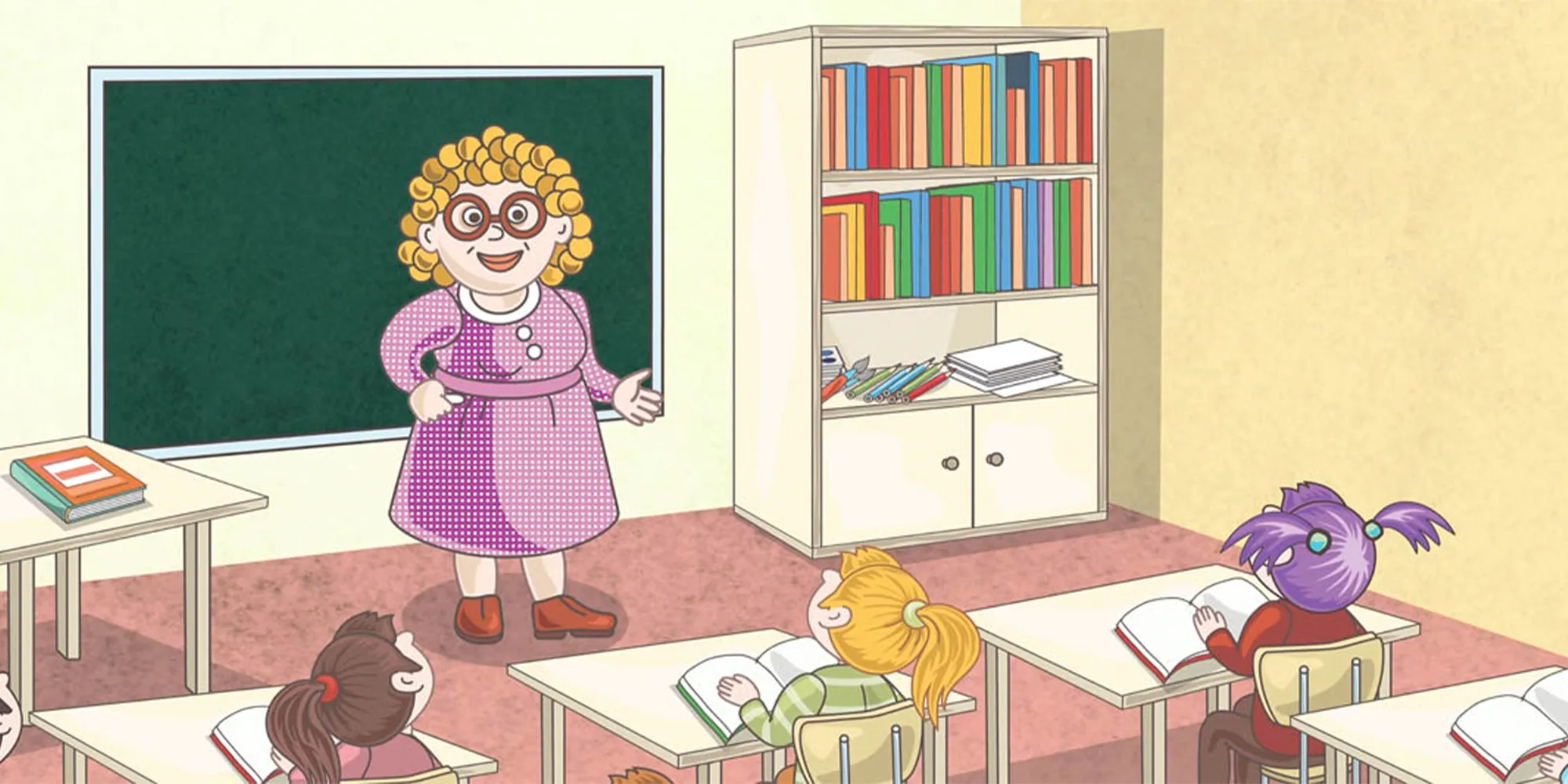
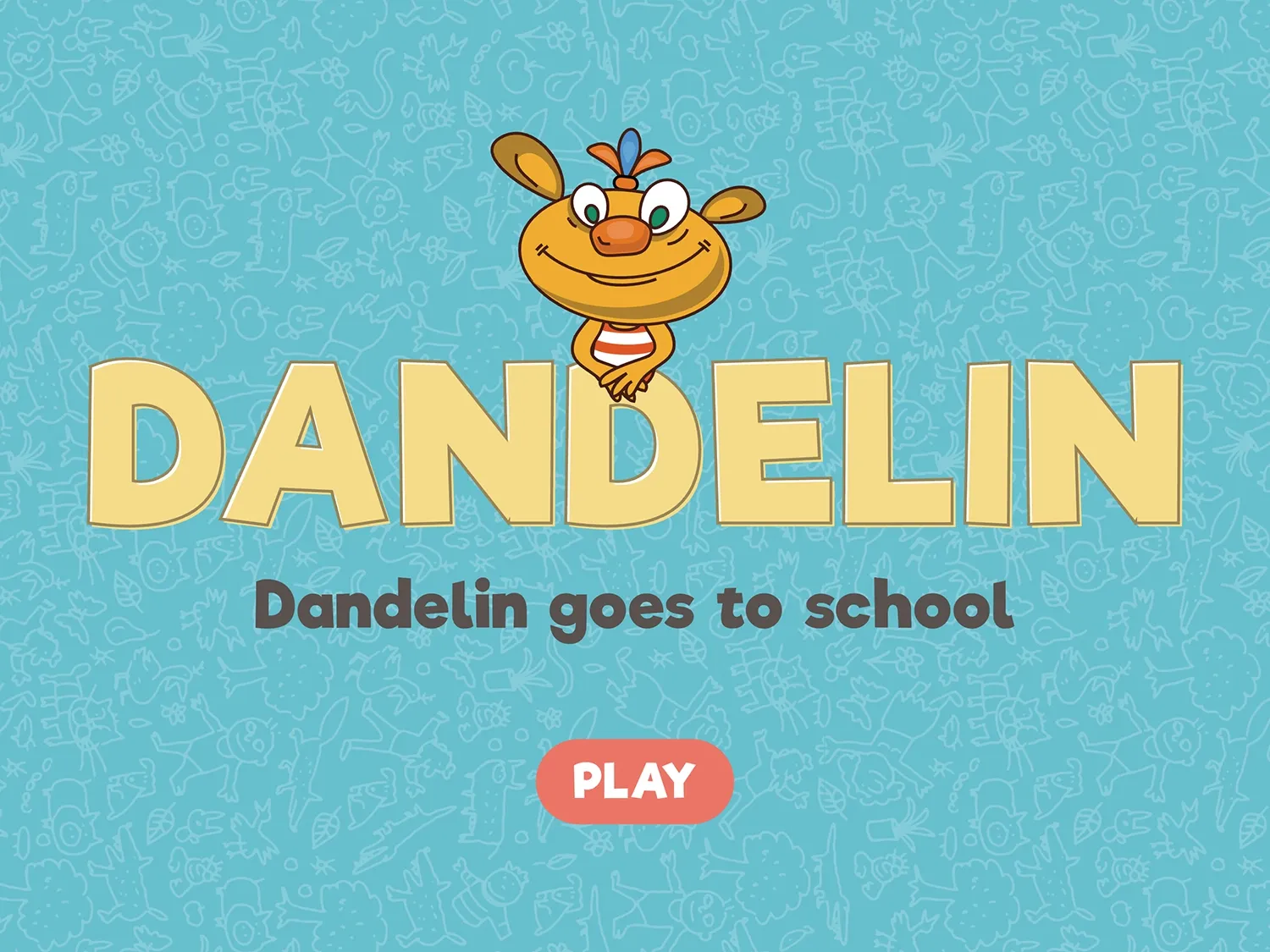
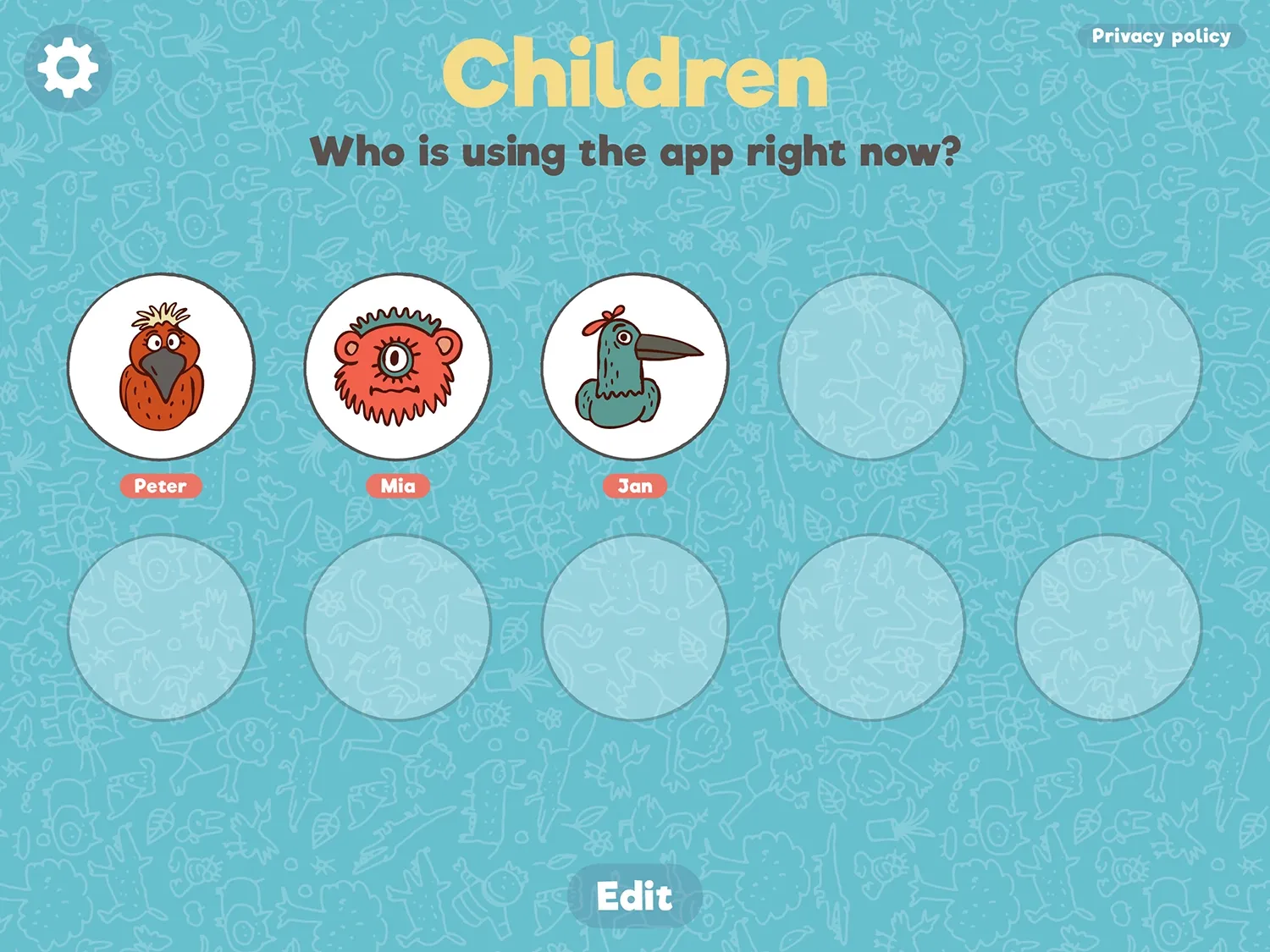
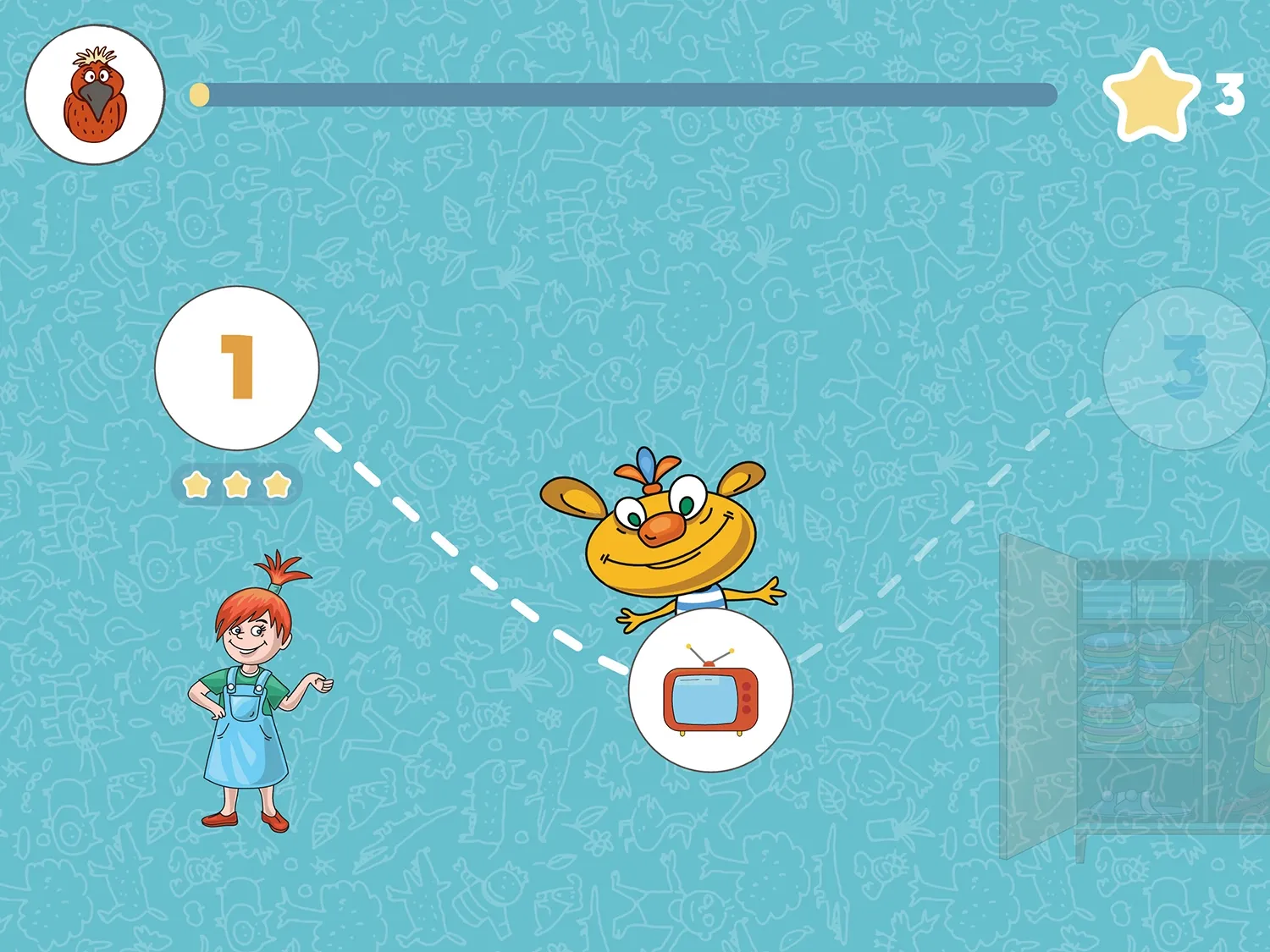
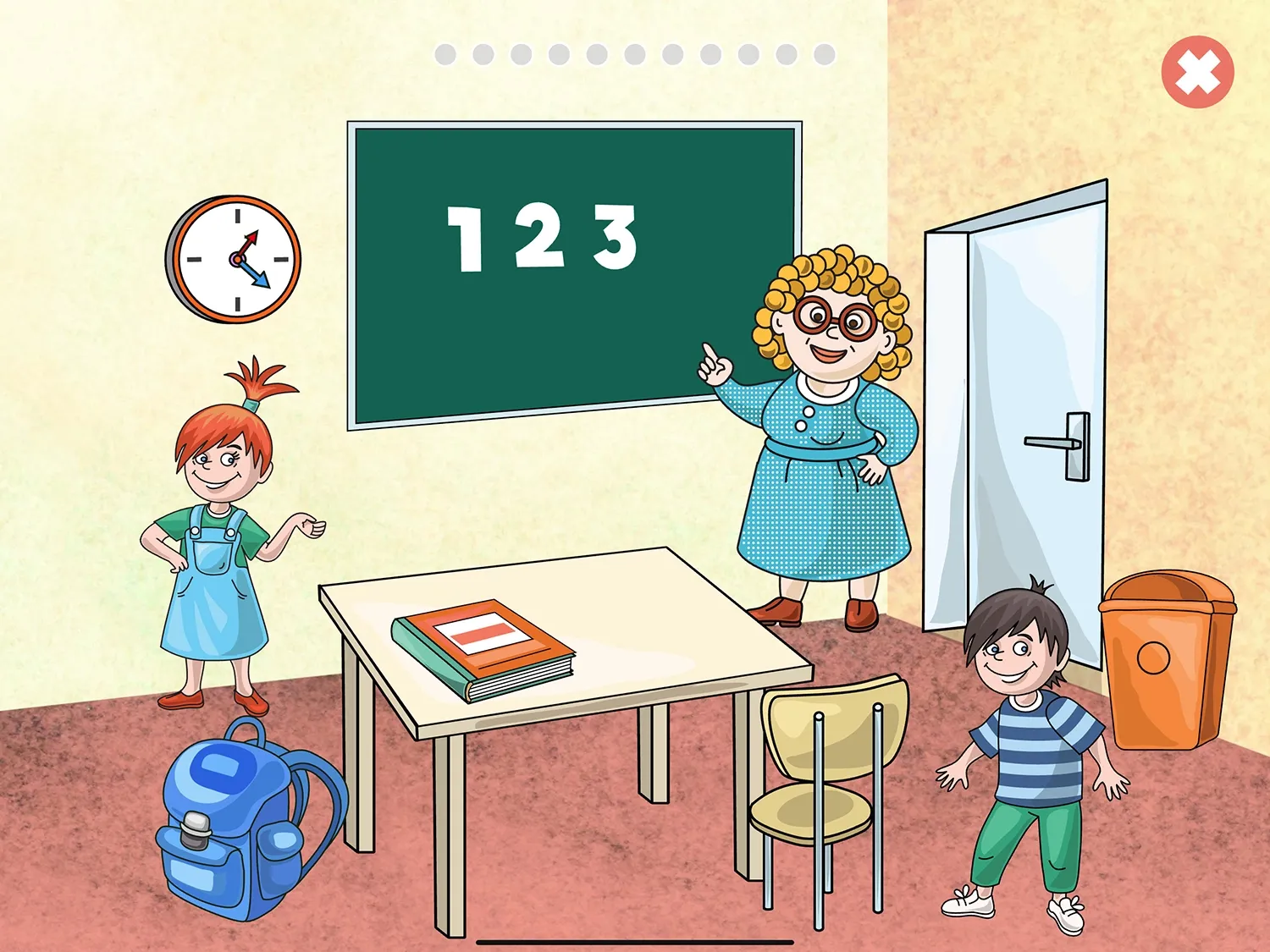
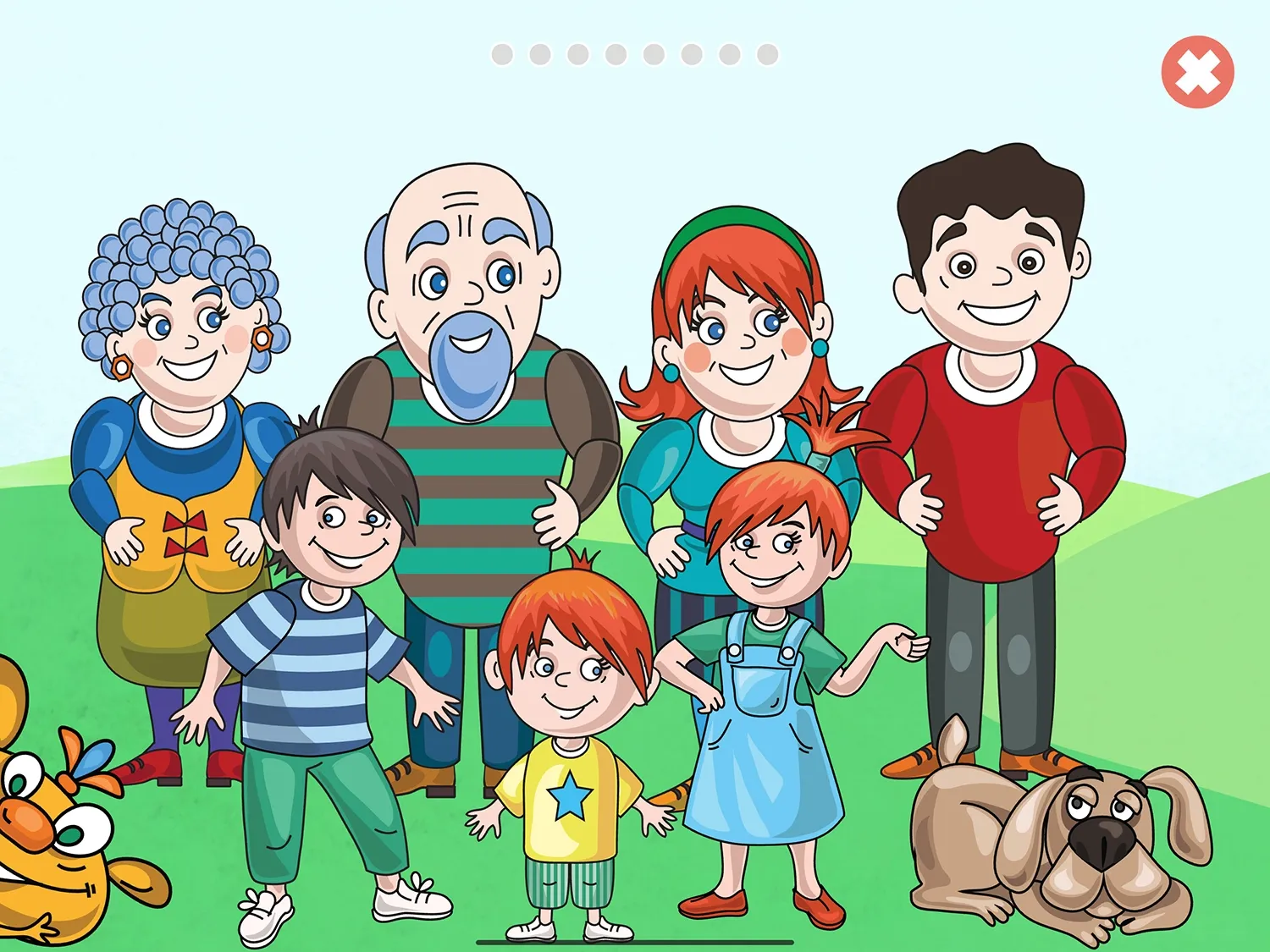
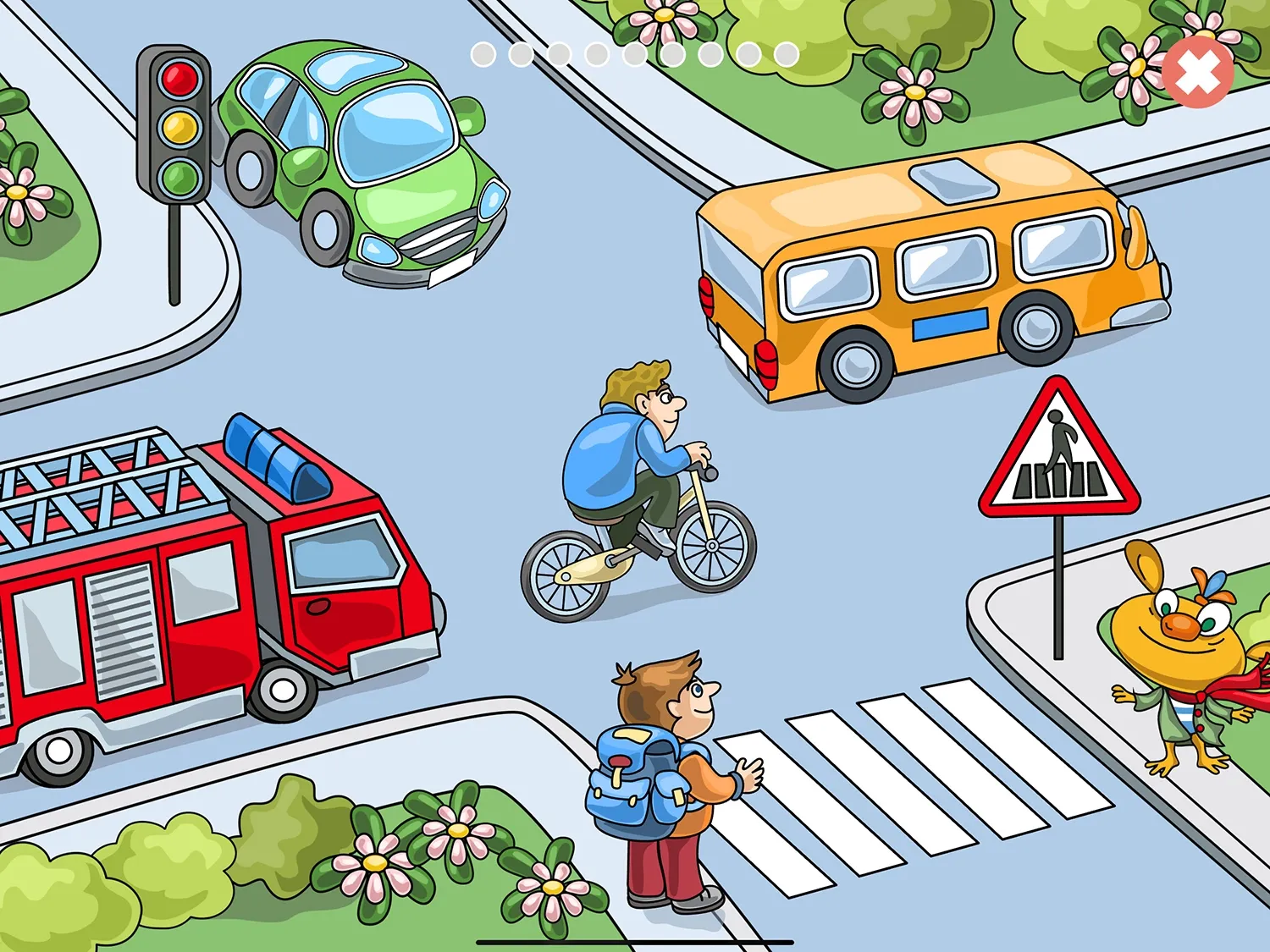
For children, the Dandelin School app supports playful vocabulary and language practice in German, Lithuanian, Polish and Slovene. Production involved extensive audio and animation work, including 767 short sound files per language, 3,068 sentences in total, and 571 vector illustrations used across videos, exercises and character avatars.
Our role
Studio GAUS GmbH was involved from the concept and application phase onward and co-shaped the overall structure of the project. We developed the project idea, coordinated the working process, and were responsible for the design and implementation of the digital environment, including the website, the application, and the underlying platform structure.
Our work covered the conception, development, and long-term operation of the app and portal. We coordinated external development contributions where required and integrated all content elements, including audio, illustrations, animations, and interactive logic, into a coherent and maintainable system.
Project partners
- Kultur- und Bildungsprojekte e.V. (Germany)
- Studio GAUS GmbH (Germany)
- Österreich Institut GmbH (Austria)
- Inter-kulturo d.o.o. (Slovenia)
- Vilniaus universitetas (Lithuania)
- Uniwersytet Pedagogiczny im. Komisji Edukacji Narodowej w Krakowie (Poland)
- Niedersaechsisches Institut fuer fruehkindliche Bildung und Entwicklung e.V. (Germany)
Coordination was organised through regular partner exchange and structured workflows for shared materials. Progress was reviewed during transnational meetings, supported by agreed planning and quality assurance procedures.
The partnership held five transnational meetings, following an initial virtual start. These meetings took place in Berlin, Vienna, Maribor, Vilnius and Kraków.
Visibility and impact
Dissemination focused on the people who can put the resources into everyday practice: migrant parents and children, as well as teachers and early childhood education staff. Multiplier events were used to present the results to organisations and professionals who work closely with migrant families, alongside direct outreach to parents and educators.
Participation in multiplier events included 139 local participants in in person activities, 20 international participants in in person activities, and 74 participants in virtual formats. Stakeholders highlighted the value of the materials being free of charge, easy to access and available in multiple languages. They also noted that the app is useful even when parents are not confident supporting learning in the school language.
Outreach across channels was broad. The project reported 74 dissemination events and 115 Facebook posts on the EduSkills+ Facebook page, with an estimated reach of more than 100,000 people. Direct presentations reached around 1,500 teachers, and newsletter dissemination covered approximately 20,000 recipients through partner and institutional mailing lists.
The resources are applicable in different contexts, including home settings, early childhood education institutions and parent support environments, depending on local needs and practices. The materials are structured so that individual components can be used independently or combined as needed.