Website: https://deutsch.info/dandelin
Teaching German to children who are still developing early literacy is very different from working with older learners. Across many European contexts, educators have been looking for digital language learning resources that are age appropriate and easy to use, particularly for children aged four to eight. Early language support is widely recognised as important for integration and educational success, yet low threshold, high quality materials for this age group are not always available.
The project deutsch.info: Deutsch für Kinder mit der Dandelin App responded to this gap by further developing the Dandelin app and creating connected open educational resources for teachers. The focus was on strengthening early German learning in kindergartens and primary schools through a combination of digital media and classroom ready activities. This included videos, songs, interactive exercises and teaching materials designed for use in face to face educational settings.
All results were made available through a dedicated Dandelin section on deutsch.info. The materials are published as open educational resources and can be accessed without registration.
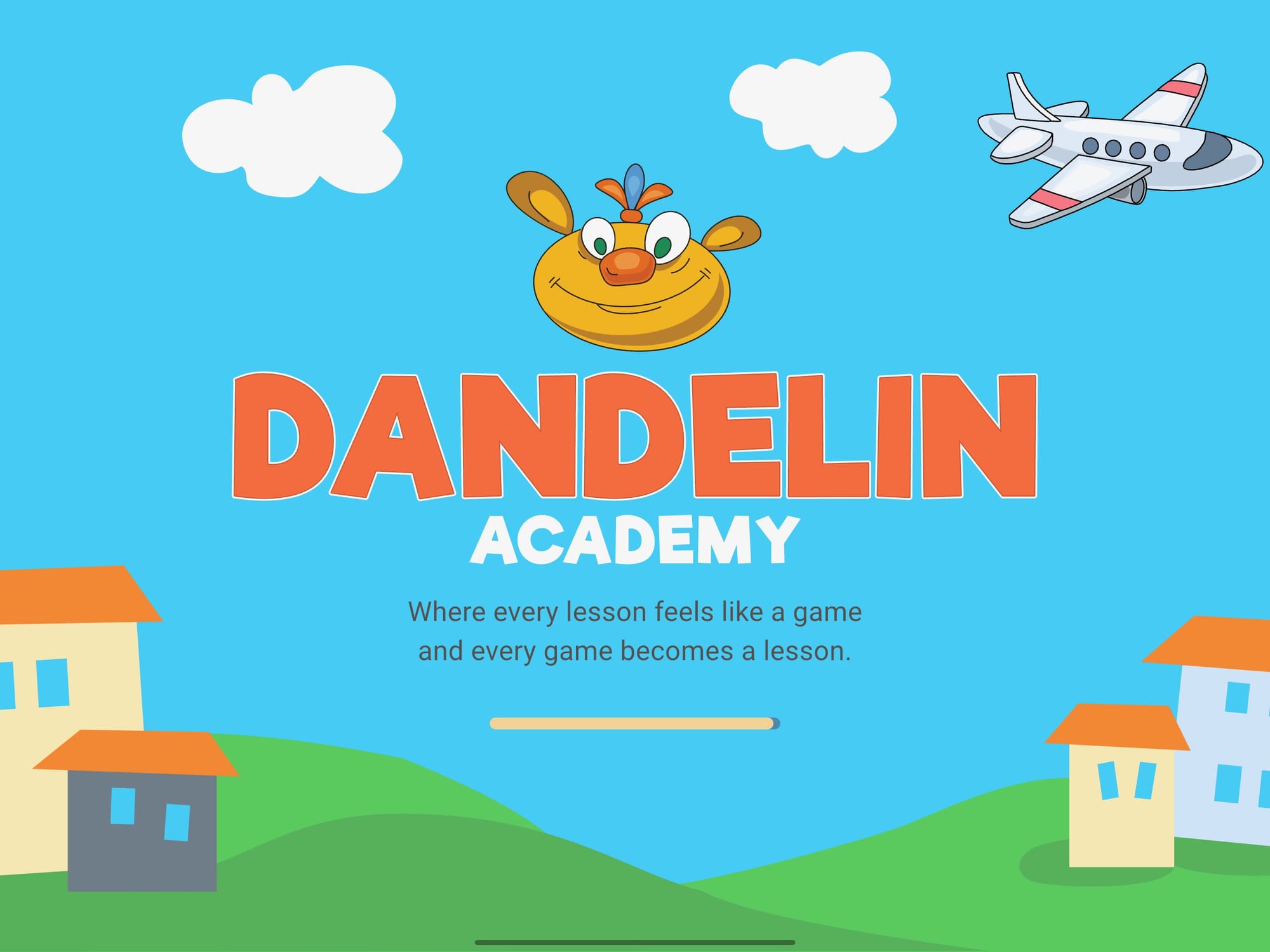
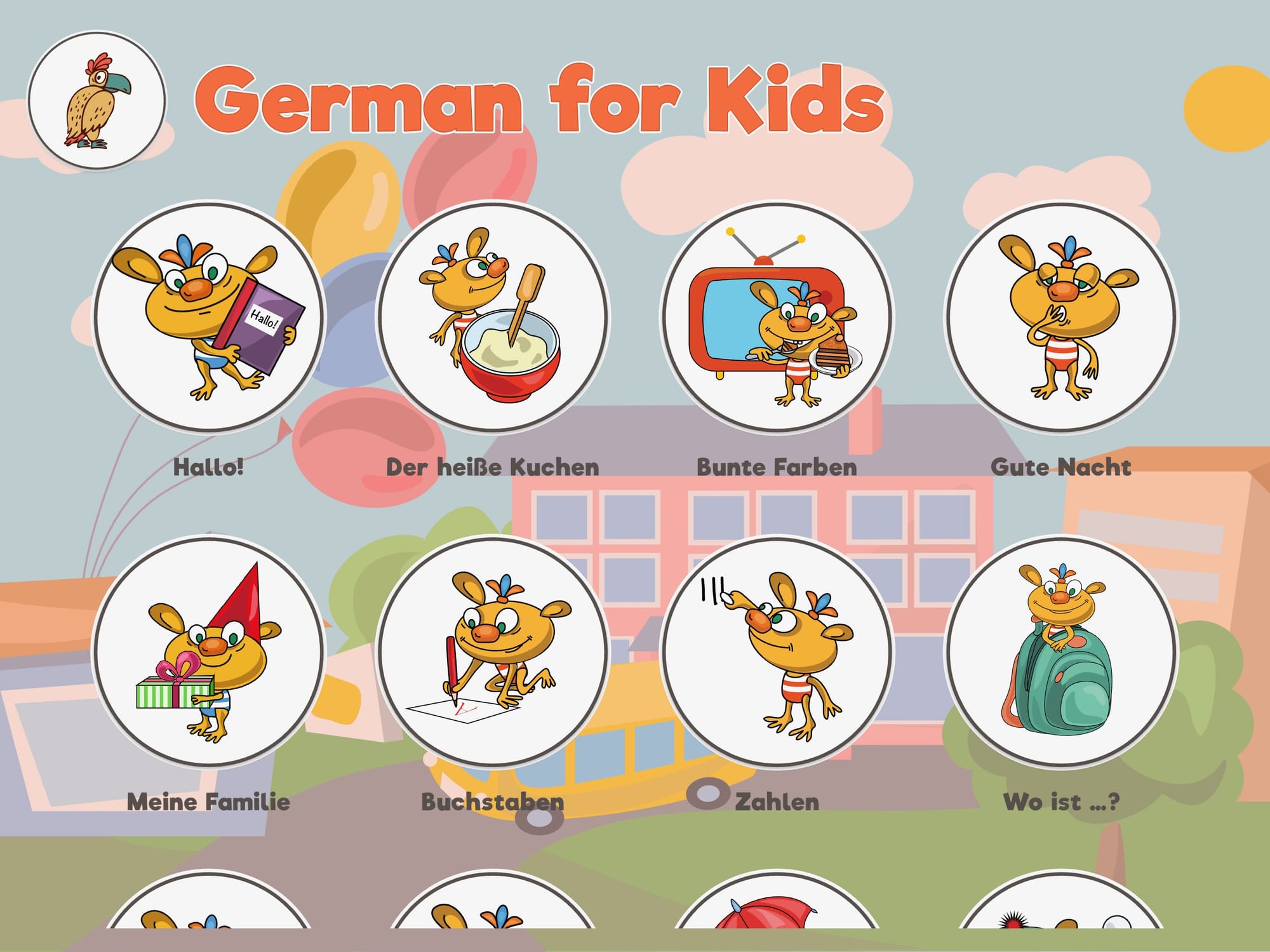
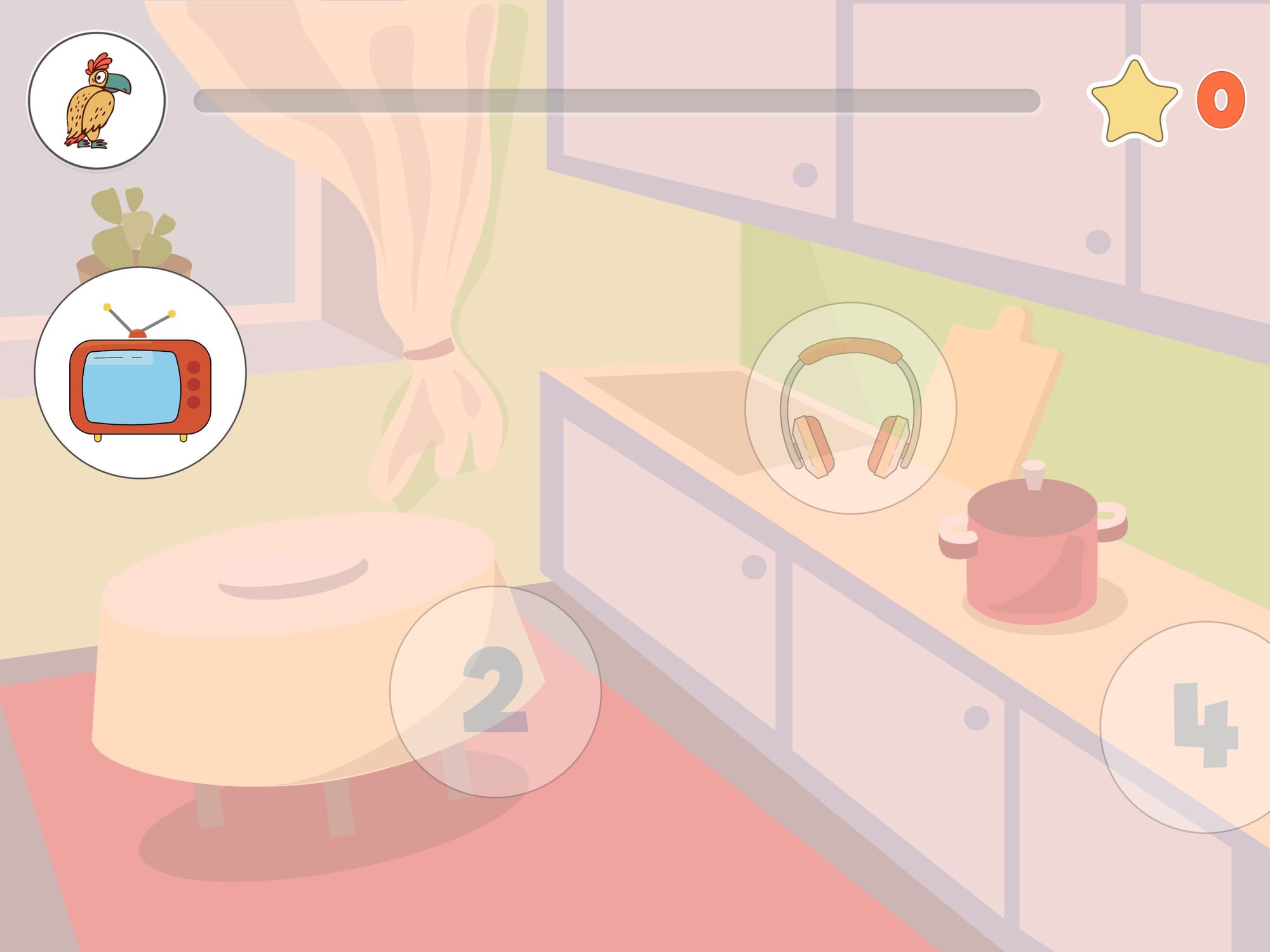
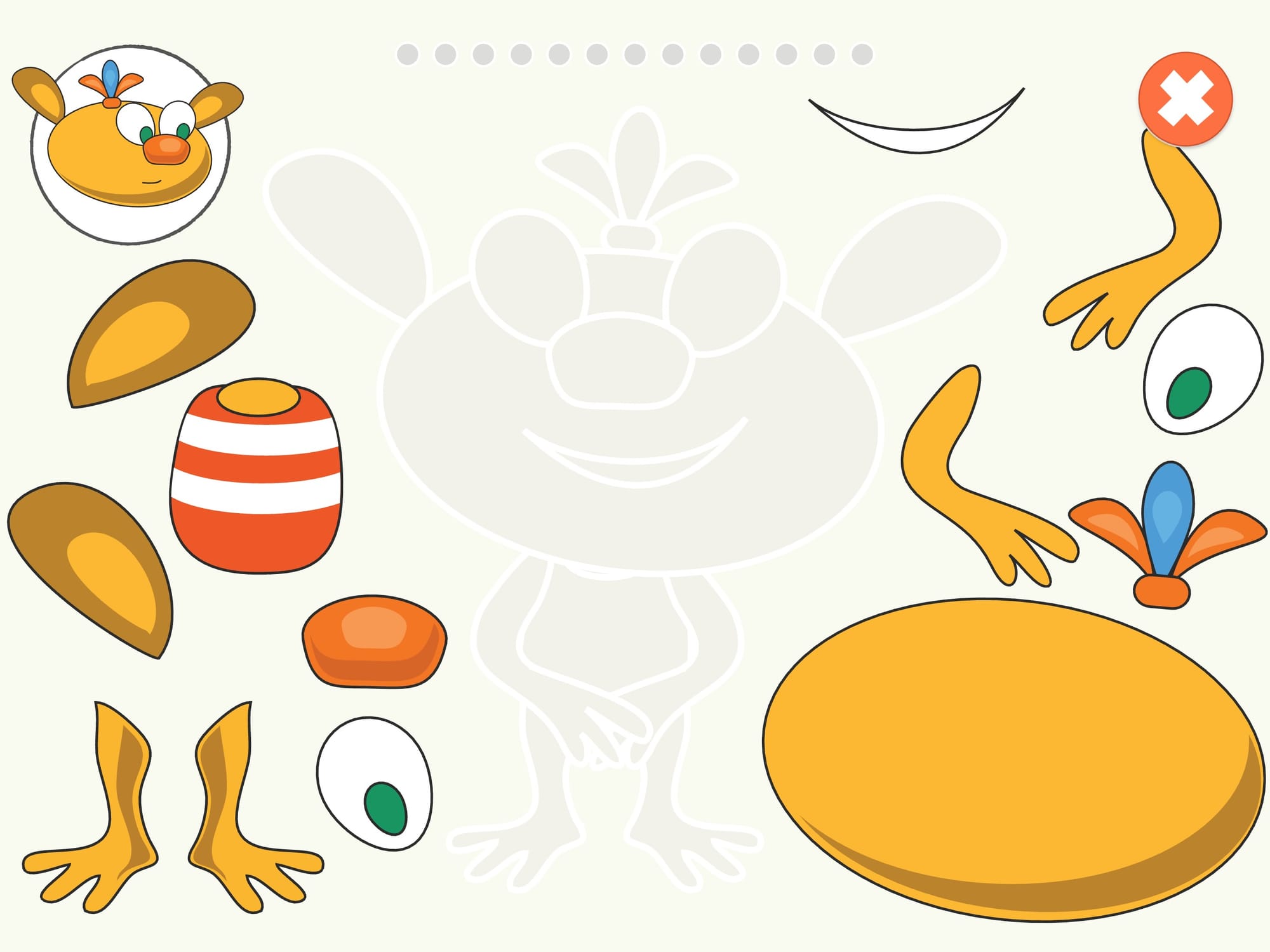
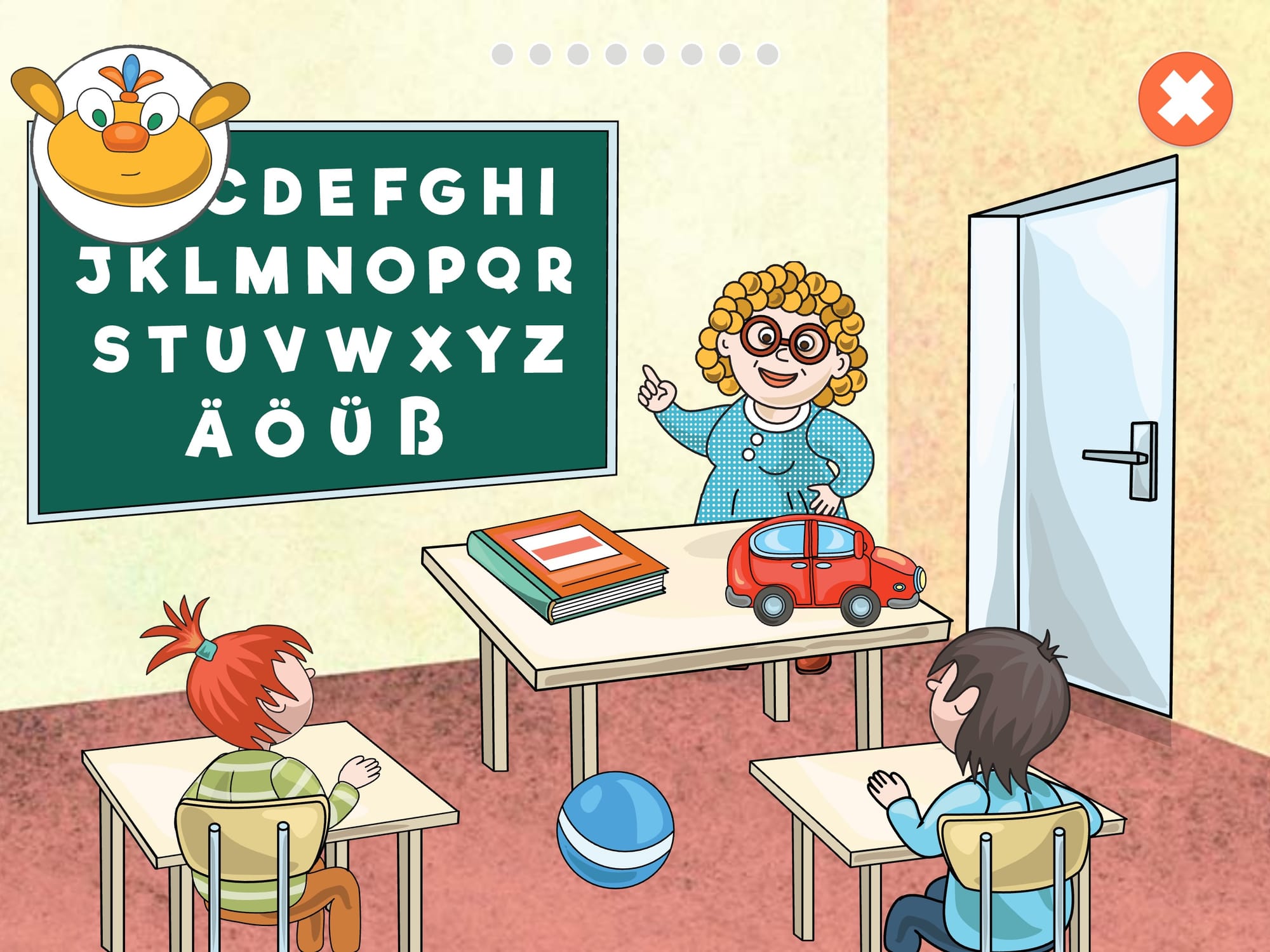
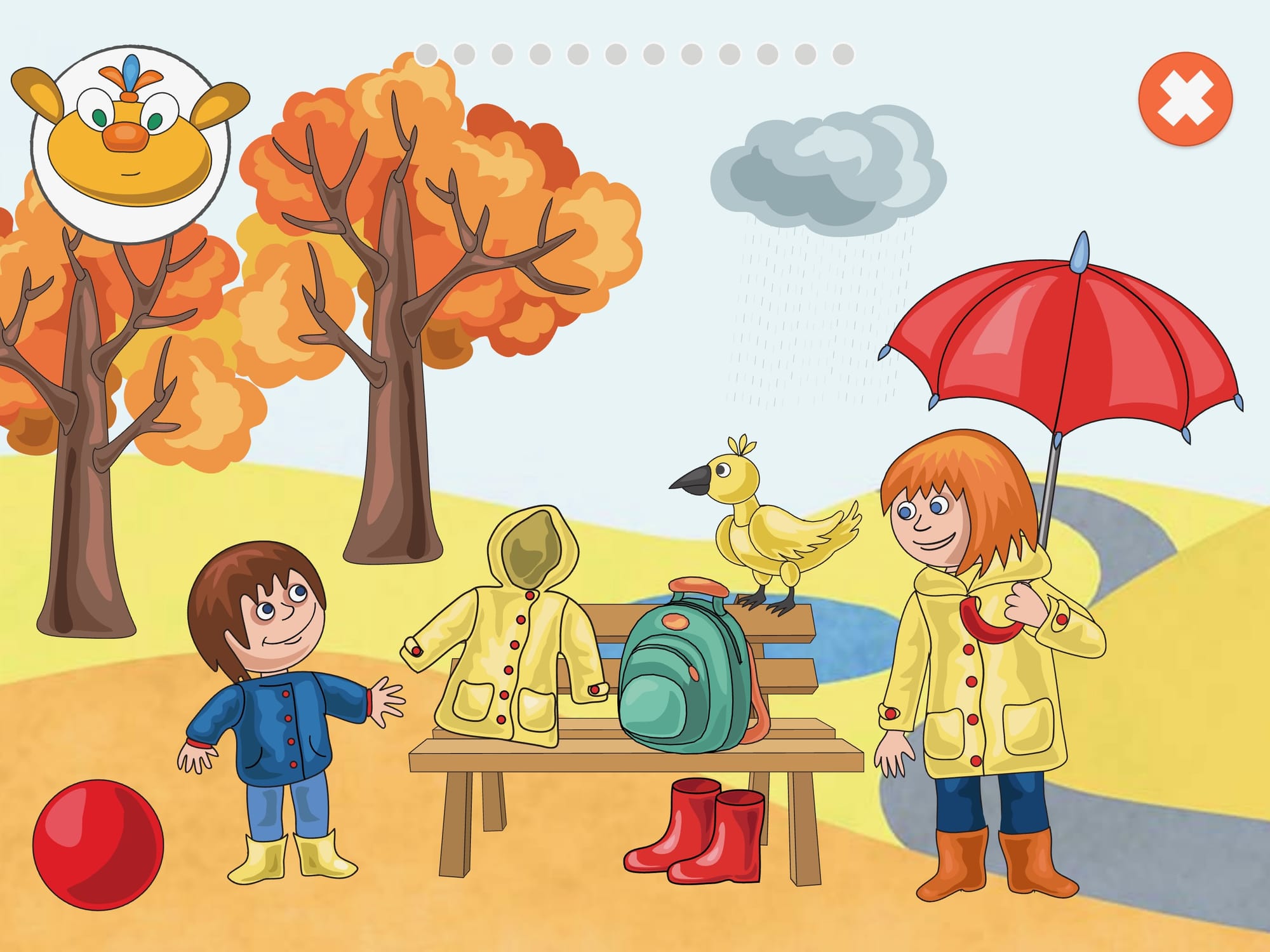
Screenshots from the app
Results and outputs
The Dandelin app was expanded significantly during the project. Eight additional learning modules were added, increasing the total from nine to 17 modules, and a new topic, “In the city”, was introduced. The project also produced a large body of new learning media and materials, including seven new stories and one explanatory video, eight new songs, around 400 new interactive exercises, about 800 new illustrations, and approximately 1,000 new audio recordings.
For educators, 24 new teaching units were developed, bringing the total number of units on the portal to 59. Development was supported by structured testing and feedback loops, including cooperation with partner kindergartens and schools, as well as an end user survey involving 105 teachers and 14 parents. The results were positive. A large majority of respondents stated that they plan to continue using the materials, including 90.5 percent of teachers and 92.9 percent of parents.
The original plan was to update the existing Dandelin app with new topics and improvements. As planning progressed and new children’s courses came into view, the partnership decided to take a more sustainable approach that would allow synergies across future projects. This led to the development of a new app, Dandelin Academy. Designed as an umbrella platform for children’s language learning, Dandelin Academy currently hosts the German course and is being prepared to include additional courses in the future.
Our role
Studio GAUS GmbH coordinated the project and was responsible for its overall structure and implementation. We developed the project concept, defined the app and platform architecture, and designed the visual and didactic framework of the learning offer.
Our work included the development and further expansion of the Dandelin app, the creation of illustrations, interactive exercises and learning content, and the implementation of the dedicated “Deutsch für Kinder” section on deutsch.info. We also accompanied testing and refinement processes and supported dissemination activities in close cooperation with the project partners.
Project partners
- Studio GAUS GmbH (Germany)
- Inter-kulturo d.o.o. (Slovenia)
- Österreich Institut GmbH (Austria)
- Osnovna šola Janka Glazerja Ruše (Slovenia)
- Scoala Gimnaziala “Pia Bratianu” (Romania)
- Vrtec Tezno Maribor (Slovenia)
- Österreichische Kinderfreunde Graz-Leonhard (Austria)
Over the project period, development progressed through iterative refinement and testing phases, involving partner kindergartens and schools. Feedback from these settings informed the ongoing development of app features, learning materials and activities.
Visibility and impact
In qualitative interviews, teachers described using the Dandelin materials as a supplement in German lessons, combining digital elements such as videos, songs and interactive tasks with analogue classroom activities. Videos were often used to introduce a topic, followed by repeated practice of vocabulary and structures through short routines and playful tasks. Teachers also highlighted opportunities for children to practise more independently. Motivation levels were reported as high, with many children repeatedly asking to watch or listen again. Overall, the materials were described as strongly child oriented.
Dissemination and usage indicators point to substantial visibility. By the end of the project, the app had reached 175,845 downloads, and during the project period deutsch.info recorded 100,000 new registered users. Dissemination activities included more than 120 social media posts and participation in around 40 events. These included the International German Teachers’ Conference (IDT) 2025, with around 2,500 participants from approximately 100 countries.
The Dandelin materials are used in a range of early language learning contexts, combining digital elements such as videos, songs and interactive tasks with analogue classroom activities. Educators reported high levels of engagement and repeated use of the materials in everyday teaching practice.