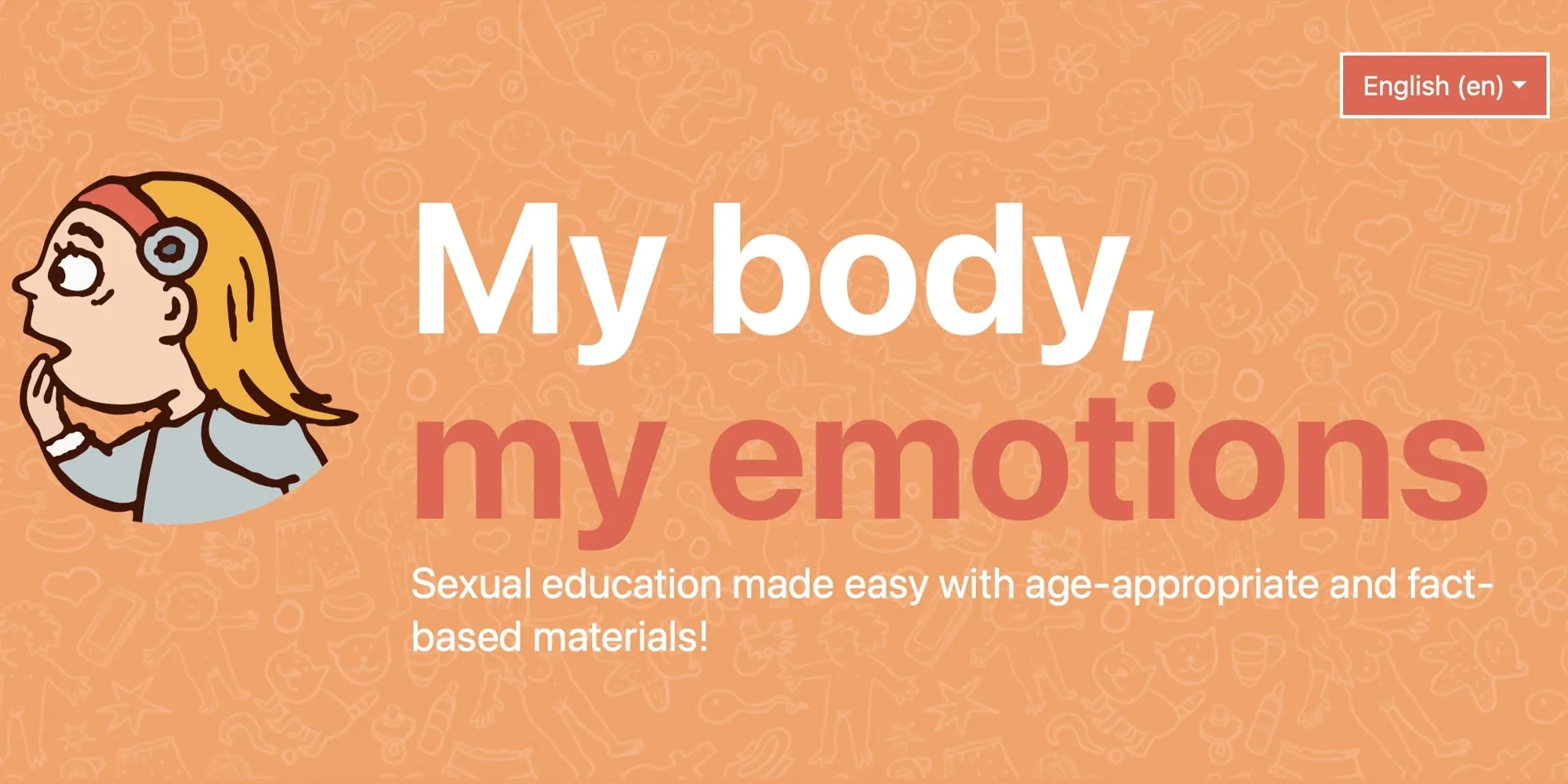
Website: https://sexedu.eduskills.plus
Sexuality education is a lifelong process, yet many attitudes and values connected to sexuality are shaped during childhood and adolescence. In everyday family life, parents and other caregivers are often the first people children turn to, especially when curiosity grows and the more uncomfortable questions begin to appear.
SexEdu brought together partners from across Europe to develop age-appropriate, fact-based materials for sexuality education. The materials address body knowledge, emotions, relationships, respect, role models and gender diversity as interconnected topics rather than separate areas.
The materials were designed to support adults with accessible information and practical approaches, without shifting responsibility exclusively to schools. At the same time, they provide children with age-appropriate ways to explore key questions independently or together with a trusted adult.
Results and outputs
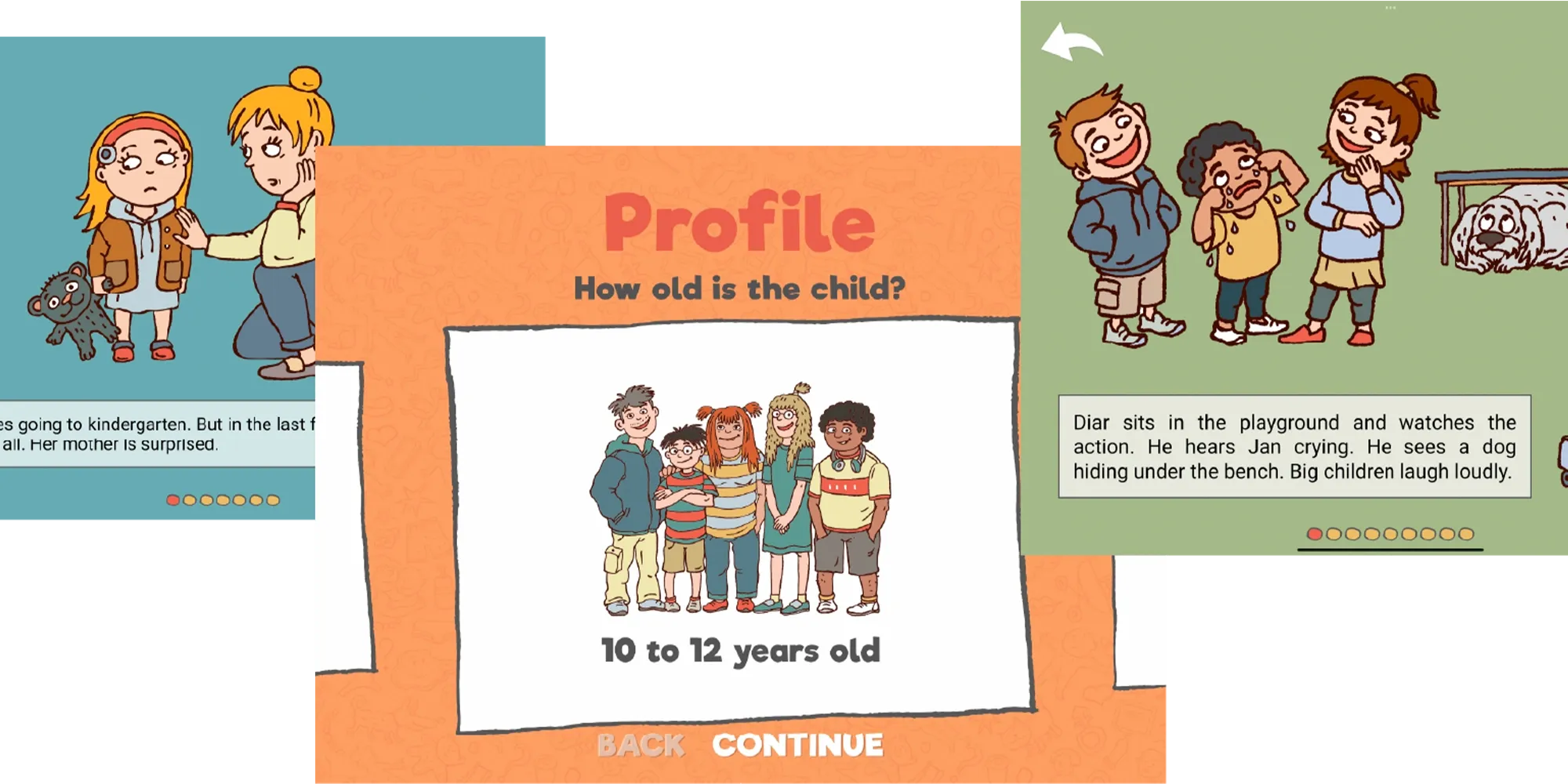
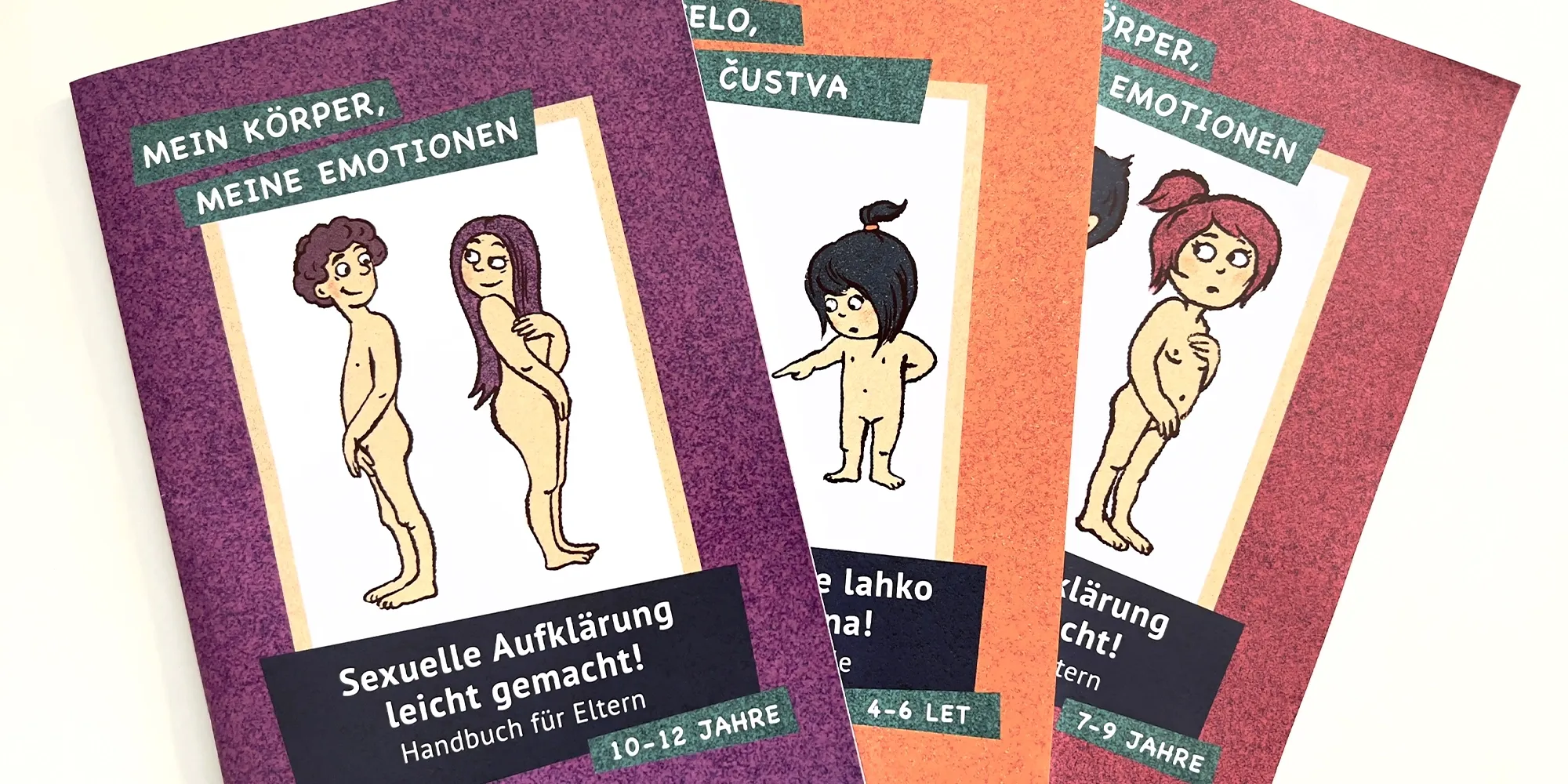
SexEdu resulted in a connected set of resources. These include the EduSkills+ “My body, my emotions” platform, handbooks for parents and other caregivers, available online and also in print, and the children’s app “This is me!”.
The handbook content provides reliable information on children’s emotional and sexual development, along with conversation starters and practical tips for integrating these topics into everyday family life. Both the handbook and the app are structured for three age groups, four to six, seven to nine, and ten to twelve. Their development followed the guidelines of the WHO Regional Office for Europe and the standards of the BZgA for sexuality education.
The platform publishes all materials in seven languages: German, Greek, English, Hungarian, Polish, Romanian and Slovene.
Our role
Studio GAUS GmbH developed the project concept for SexEdu and coordinated the preparation of the project application during the initial project phase.
We developed and implemented the EduSkills+ “My body, my emotions” platform and the children’s app “This is me!”, including their overall structure, design, and content architecture. This included integrating visual and audio materials and establishing structures that support ongoing updates, revisions, and the addition of new language versions.
Throughout the project, we coordinated implementation and testing processes and ensured that content development and platform structures evolved in parallel.
Project partners
- Kultur- und Bildungsprojekte e.V. (Germany)
- KgKJH LSA e.V. (Germany)
- Studio GAUS GmbH (Germany)
- pro familia NRW e.V. (Germany)
- Fachstelle Selbstbewusst (Austria)
- Inter-kulturo d.o.o. (Slovenia)
- Milos Educational Womens Collaboration for Activities in Tourism (Greece)
- Polskie Stowarzyszenie Pedagogow I Animatorow KLANZA (Poland)
- Liceul Teoretic “Nikolaus Lenau” (Romania)
Over the three-year project period, the partnership combined in-person and online collaboration, including six transnational meetings. During the pandemic, several meetings were held online before later returning to in-person formats. Content development and testing took place across different countries and contexts, including coordinated review and piloting phases toward the end of the project.
Visibility and impact
In terms of reach, the project extended beyond publication into practical use. In the later project phase, partners identified a strong need for printed materials alongside digital access. This led to the production of 18 print booklet versions, covering three age groups across six languages, and a total of 15,650 printed copies. These were distributed through counselling services, schools, kindergartens and libraries. The children’s app recorded 2,741 downloads from 176 countries.
Dissemination combined online visibility with face to face outreach. More than 90 social media posts reached over 80,000 people, while events and local activities informed more than 6,000 parents, children and education professionals during the project period. Partners also reached over 2,600 people through newsletters and contacted a further 168 organisations, including NGOs, authorities, schools and kindergartens, through targeted information emails.
SexEdu’s resources remain publicly accessible through the platform, which brings the handbooks and the app together in one place. The materials can be used by parents, caregivers and professionals working with families to support conversations about bodies, emotions, boundaries and respect in an age-appropriate way throughout childhood.